The rise of intelligent home robotics
November 12, 2026

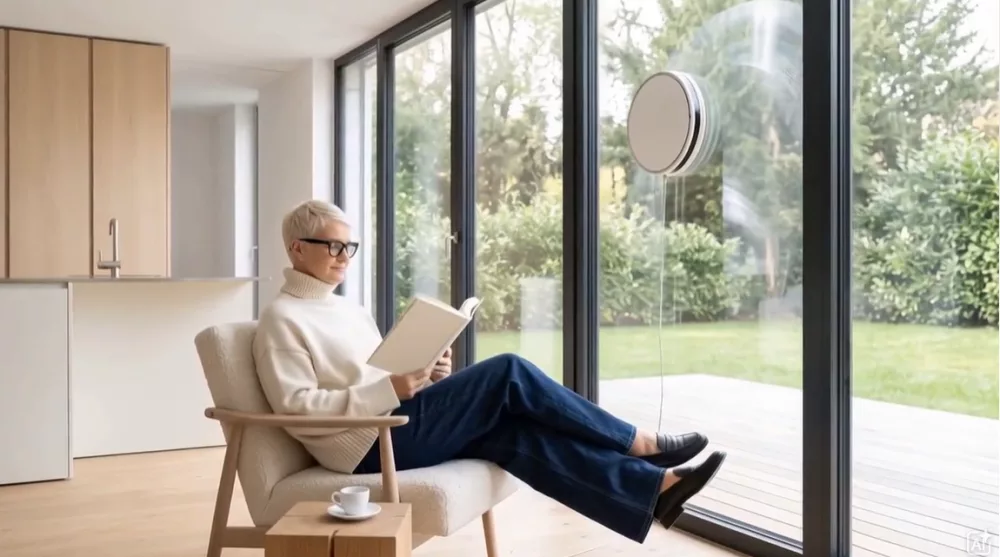
The smart home revolution is entering a new phase, and robotics is one of its most powerful growth engines. Household robots were once niche gadgets for technology enthusiasts. Advances in artificial intelligence, connectivity, and automation have now pushed them into the mainstream, and consumers increasingly expect devices that reduce effort, save time, and fit naturally into connected lifestyles. Robot vacuums set the pace, with global sales of $4.63 billion between January and August 2026, up 16% year-on-year.
That growth reflects both widespread adoption and a steady shift toward more sophisticated premium models. Connectivity is already a baseline expectation: app and voice control is present in 98% of robot vacuum sales global value, which shows that smart home integration has become a requirement rather than a differentiator.
Features once considered premium are quickly becoming standard. Docking stations with automatic mop washing and drying account for 82% of robot vacuum global sales value, adjustable mop systems for 83%, and wash agitation technology for 87%. All three year-on-year, nearly double the market’s pace, which means the mix keeps shifting toward more capable machines.
The fastest momentum is in autonomy. Retractable sensors, which let robots slip under low furniture without losing mapping accuracy, hold a 45% share and grew 37% both on a global scale, the fastest among mainstream features. Hot-water mop cleaning holds 47%, while extendable, liftable side brushes, which improve edge and corner cleaning, hold 40% both these are growing customer delight features. Robotic arms are still early-stage at roughly 9% of sales, but their sales grew more than fifteen-fold year-on-year, a clear sign of where consumer curiosity is heading.
Consumers are automating far more than vacuuming. Robot lawnmowers reached $881 million in global sales, up 29%. Robotic window cleaners grew even faster, up 119%, and robot-shaped models within that category more than doubled their sales. Our inference is that each fast-growing feature removes a chore from within the chore. Self-washing docks end the rinsing and drying of mop pads, hot water and agitation reduce re-cleaning of stubborn spots, and smarter sensors and brushes cut the manual touch-ups that used to follow a cleaning run.
The same logic applies outdoors and on glass, where a robot can take over a recurring task that once claimed a weekend afternoon. The household shifts from operating devices to supervising outcomes, and the minutes reclaimed from each task add up across floors, lawns, and windows. Over a year, that convenience compounds into hours returned to consumers for family, work, or rest, which helps explain why they are willing to pay for more capable machines.
Looking ahead, expect robotic arms to move into the mainstream, clearing socks and cables before cleaning so consumers no longer must tidy up first. AI-driven routines will increasingly act on occupancy, weather, or calendar cues, such as skipping mowing ahead of rain.
As today’s premium features become tomorrow’s baseline, differentiation will move away from hardware specifications toward smarter interoperability. Robots will not just execute commands; they will anticipate needs and coordinate household routines. For manufacturers and retailers, the opportunity lies in enabling that next generation of autonomous living, and in anticipate which features consumers will adopt next.