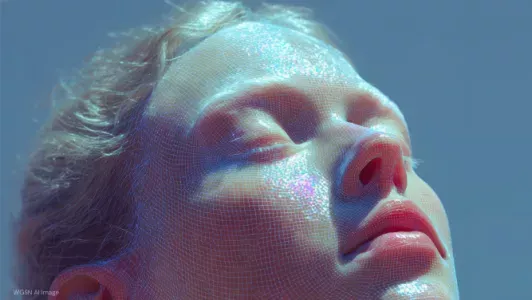



A Love Letter to the Machine: How Designing Emotions is Central to the Human Experience
A Love Letter to the Machine: How Designing Emotions is Central to the Human Experience
In the future, products must go beyond mere functionality and connect with users on a human level. Expect insights on how emotional design principles can help brands create meaningful, engaging and memorable user experiences that transform ordinary interactions into significant moments.
Presented by

Speakers
Track: World of AI & Future of Tech
Language: English
Our relationship with technology continues to evolve. How people relate to tech products has also changed, and increasingly they expect prediction, hyper-personalisation and adaptive experiences. By exploring the psychological principles behind human emotions, designers can open new possibilities for shaping future experiences with technology. Enabling adaptive interactions that respond intelligently to user preferences and adaptable systems can empower users with greater control and flexibility. The ethical implications of privacy data consent and use will also increase the responsibilities inherent to user experience (UX) design. In the future, products must go beyond mere functionality and connect with users on a human level. Understanding emotional design principles can help brands create meaningful, engaging, and memorable user experiences that transform ordinary interactions into significant moments. In this session, WGSN addresses the role of human emotions as a key influence in the future development of human-AI interactions.
Unsere Beziehung zur Technologie entwickelt sich stetig weiter. Auch die Art, wie Menschen mit Technologieprodukten umgehen, hat sich verändert: Sie erwarten zunehmend Vorhersage, Hyperpersonalisierung und adaptive Erlebnisse. Durch die Erforschung der psychologischen Prinzipien hinter menschlichen Emotionen können Designer neue Möglichkeiten erschließen, um zukünftige Erfahrungen mit Technologie zu gestalten. Adaptive Interaktionen, die intelligent auf Nutzerpräferenzen reagieren, sowie anpassungsfähige Systeme geben Nutzern mehr Kontrolle und Flexibilität. Auch die ethischen Aspekte von Datenschutz, Einwilligung und Datennutzung werden die Verantwortung im User Experience (UX) Design weiter erhöhen. Produkte müssen künftig über reine Funktionalität hinausgehen und Nutzer auf einer menschlichen Ebene erreichen. Emotionale Gestaltungsprinzipien können Marken dabei helfen, bedeutungsvolle und einprägsame Nutzererlebnisse zu schaffen, die aus gewöhnlichen Interaktionen besondere Momente machen. In dieser Session beleuchtet WGSN die Rolle menschlicher Emotionen als zentralen Einflussfaktor für die zukünftige Entwicklung von Mensch-KI-Interaktionen.